Why Antimicrobial Treatments Are Essential After Mold Damage in Hudson
Mold doesn’t just vanish after removal—without proper follow-up, spores linger and regrow, especially in Hudson’s humid seasons. Antimicrobial treatments are the critical next step to ensure your property stays safe and mold-free long after we’ve addressed the initial outbreak.
Mold Removal Isn’t Enough—Here’s Why Spores Persist
Mold remediation removes visible colonies, but microscopic spores can remain embedded in porous materials like drywall, insulation, or wood. These dormant spores reactivate when moisture returns—a common issue in Hudson’s damp springs and falls.
Even dead mold spores can trigger allergic reactions or release mycotoxins. Without antimicrobial treatments, your property remains at risk for recurrence and health hazards.
How Antimicrobial Treatments Work at the Microscopic Level
We apply EPA-registered biocides that penetrate surfaces to kill remaining spores and inhibit future growth. These treatments are designed for high-porosity materials where mold roots (hyphae) can hide.
Unlike surface cleaners, antimicrobials create a protective barrier that disrupts mold’s ability to feed on organic matter—critical for areas like basements in Marlborough or attics in Maynard, where humidity fluctuates.
Avoid over-the-counter sprays. Professional-grade antimicrobials are formulated for long-term efficacy and compliance with IICRC S520 standards.
Where Antimicrobials Are Most Critical in Local Homes
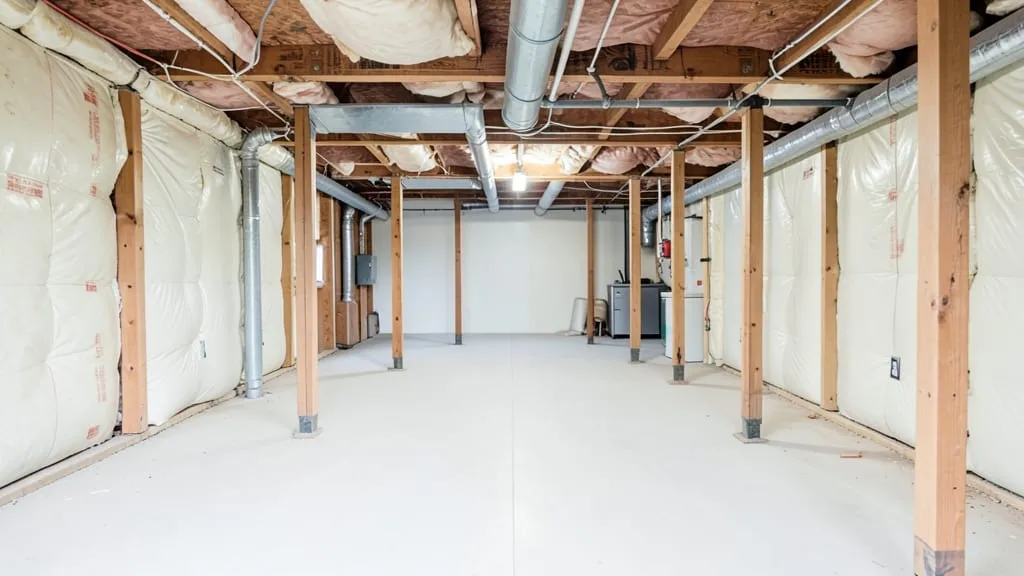
Hudson’s older homes often have poorly ventilated crawl spaces or basements—prime zones for mold regrowth. Antimicrobial treatments here prevent spores from spreading through HVAC systems to living areas.
Attics in nearby Clinton or Framingham are also high-risk due to roof leaks or condensation. We prioritize these areas to stop mold before it compromises structural integrity or indoor air quality.
Antimicrobials vs. Encapsulation: Key Differences
While encapsulation seals surfaces to block moisture, antimicrobials actively kill and prevent mold. Both have roles, but antimicrobials are essential for active or recent infestations.
| Approach | Best For | Longevity | Moisture Handling |
|---|---|---|---|
| Antimicrobial Treatments | Active mold, porous materials | Years (with maintenance) | Kills spores but requires moisture control |
| Encapsulation | Preventive measure, non-porous surfaces | 5–10+ years | Blocks moisture but doesn’t kill existing mold |
| Combined Approach | Severe or recurrent mold | Long-term | Kills spores + prevents moisture intrusion |
The Role of Moisture Control in Long-Term Prevention
Antimicrobials alone can’t compensate for persistent moisture. In Hudson, we often pair treatments with dehumidification or vapor barriers, especially in basements near the Nashua River or low-lying areas in Tyngsborough.
We monitor humidity levels (ideal: 30–50%) and address leaks, condensation, or poor airflow—common in older properties from Leominster to Worcester.
Safety and Compliance: What Hudson Homeowners Should Know
We use antimicrobials approved for residential and commercial use, following EPA and IICRC S520 guidelines. Safety data sheets (SDS) are provided, and we ensure proper ventilation during application.
For properties near Hanscom AFB or commercial spaces in Devens, we adhere to stricter protocols, including air quality testing post-treatment to confirm spore counts are within safe limits.
Improper use of antimicrobials can expose you to toxic fumes or fail to address hidden mold. Always hire certified professionals for mold remediation.
When to Schedule Antimicrobial Treatments
After mold remediation, we recommend antimicrobial applications within 24–48 hours to prevent spores from settling. For high-risk areas like crawl spaces in South Lancaster or attics in Westborough, we may advise seasonal touch-ups.
If you’ve had water damage—from burst pipes in winter or heavy rains in summer—proactive antimicrobial treatments can save you from costly remediation later.
Signs You Need More Than Just Cleaning
Musty odors, visible mold return, or allergy flare-ups after remediation signal incomplete treatment. In such cases, we reassess with mold testing and air quality checks, often extending to neighboring towns like Concord or Wellesley if cross-contamination is suspected.
Recurrent mold in HVAC systems—common in Manchester or Derry—requires antimicrobial fogging to reach ducts and coils where spores thrive.
Red Flags for Incomplete Mold Remediation
- Persistent musty smells after cleaning
- Mold reappears within weeks
- Unexplained respiratory issues or skin irritation
- Visible mold in HVAC vents or behind walls
How to Prepare Your Hudson Property for Antimicrobial Treatments
A few simple steps ensure our team can apply treatments safely and effectively.
- 1Clear the Area
Remove furniture, rugs, and personal items from the treatment zone. This allows full access to walls, floors, and hidden spaces where mold may lurk.
- 2Address Moisture Sources
Fix leaks, improve ventilation, or run dehumidifiers before we arrive. Antimicrobials work best on dry surfaces.
- 3Protect Sensitive Items
Cover or remove electronics, artwork, and food items. Some antimicrobials can damage sensitive materials.
- 4Plan for Temporary Relocation
For large or heavily infested areas, we may recommend vacating the property for 24–48 hours during and after treatment.
- 5Follow Post-Treatment Guidelines
Avoid cleaning treated surfaces for at least 24 hours. We’ll provide specific care instructions to maximize efficacy.
Frequently Asked Questions
Are antimicrobial treatments safe for homes with pets or children in Hudson?
Yes, when applied by professionals. We use low-toxicity, EPA-approved products and ensure proper ventilation. Pets and children can return once surfaces are dry and air quality is confirmed safe.
How long do antimicrobial treatments last?
With proper moisture control, treatments typically last 1–3 years. High-humidity areas like basements in Marlborough or attics in Maynard may need more frequent reapplication.
Can antimicrobials be applied to HVAC systems?
Absolutely. We use specialized fogging techniques to treat ducts and coils, which is critical for properties in Nashua or Manchester where HVAC-related mold is common.
Do I need antimicrobial treatments if the mold was minor?
Even small mold patches can release spores. We recommend antimicrobials for any remediation to prevent regrowth, especially in Hudson’s climate where humidity spikes are frequent.
What’s the difference between antimicrobial and mold-resistant paint?
Mold-resistant paint contains antimicrobial additives but doesn’t kill existing spores. We use antimicrobial treatments first to eradicate mold, then may recommend mold-resistant paint for added protection.
How do I know if my Hudson home needs antimicrobial treatments after water damage?
If water damage occurred more than 24 hours ago, mold growth is likely. We advise a mold inspection and air quality test—common for homes in Clinton or Northborough—to determine if antimicrobials are needed.