Understanding the Link Between Water Damage and Mold Growth in Hudson
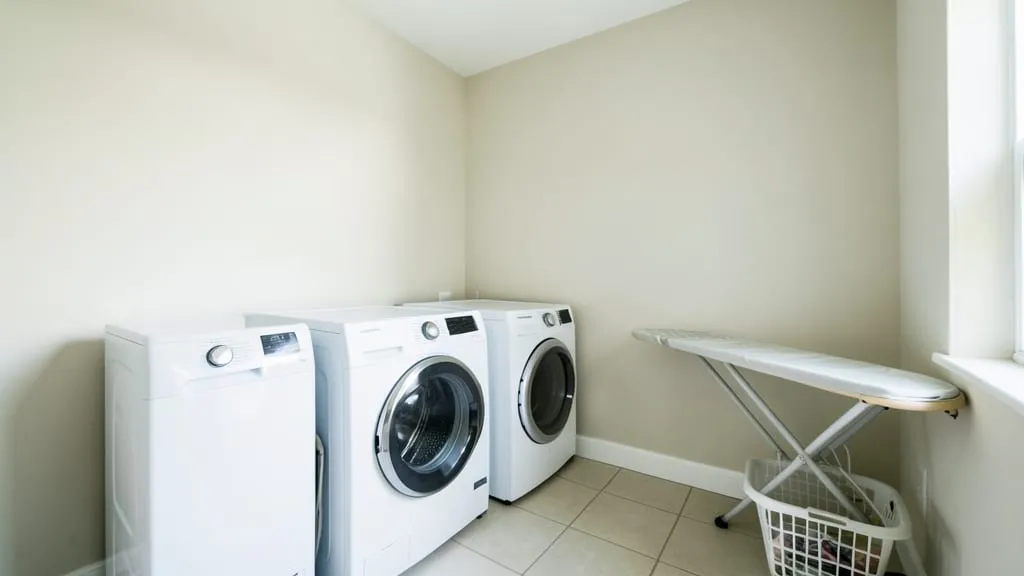
Water damage isn’t just a structural threat—it’s the leading catalyst for mold growth in Hudson homes. Within 24 to 48 hours of moisture exposure, spores can take hold, spreading silently behind walls, under floors, or in attics. We’ve seen firsthand how unchecked leaks or humidity spikes turn into full-blown infestations, especially in older properties or after harsh New England winters.
Why Hudson’s Climate Accelerates Mold After Water Damage
Hudson’s humid summers and cold, wet winters create the perfect storm for mold. High indoor humidity (above 60%) or standing water from storms, burst pipes, or poor drainage gives spores the moisture they need to colonize.
Basements in neighborhoods like Cordaville or Marlborough often battle groundwater seepage, while attics in older Hudson homes trap condensation from temperature swings. Even minor leaks in roofs or plumbing can sustain growth for months undetected.
The Hidden Timeline: How Quickly Mold Develops After Water Exposure
Mold doesn’t wait. In as little as 24 hours, spores on porous materials like drywall, carpet, or insulation begin germinating. By 72 hours, visible growth can appear—often as fuzzy patches or discoloration.
Left unaddressed, colonies spread through HVAC systems, contaminating air ducts in homes from Hudson to nearby Nashua or Framingham. The longer water sits, the deeper the infestation and the higher the remediation cost.
Common Water Damage Scenarios That Lead to Mold in Local Homes
Burst pipes during winter freezes are a top culprit, especially in older Hudson properties with outdated plumbing. Roof leaks after heavy snow or ice dams often go unnoticed until ceiling stains or musty odors appear.
Poorly ventilated bathrooms, laundry rooms, or crawl spaces in areas like Maynard or Clinton trap moisture, fostering growth on subflooring or joists. Even minor appliance leaks (water heaters, washing machines) can saturate drywall over time.
| Source | Typical Locations | Mold Risk Level |
|---|---|---|
| Plumbing leaks | Walls, ceilings, under sinks | High |
| Roof leaks | Attics, upper floors | High |
| Basement seepage | Foundation walls, floors | Very High |
| Condensation | Windows, pipes, HVAC ducts | Moderate |
| Appliance failures | Kitchens, laundry rooms | High |
| Flooding | Basements, crawl spaces | Very High |
Signs Your Hudson Home Has Mold After Water Damage
Musty odors are the most common red flag—often the first sign of hidden mold in walls or under flooring. Visible growth (black, green, white, or gray) on surfaces like drywall, baseboards, or ceiling tiles confirms an active problem.
Allergic reactions (sneezing, itchy eyes, or respiratory issues) that worsen indoors may indicate airborne spores. In severe cases, warped wood, peeling paint, or bubbling wallpaper signal prolonged moisture exposure.
Even small, isolated spots can indicate a larger colony behind the surface. Mold often grows in areas you can’t see—like inside wall cavities or above drop ceilings in basements.
Materials Most Vulnerable to Mold After Water Damage
Porous materials absorb moisture and provide the organic matter mold needs to thrive. Drywall, ceiling tiles, and carpet padding are prime targets, often requiring removal if saturated.
Wood (framing, subfloors, furniture) and insulation (fiberglass, cellulose) also support growth. Non-porous surfaces like glass or metal won’t grow mold but can harbor spores that spread elsewhere.
High-Risk Materials in Your Home
- Drywall and plaster
- Carpet and padding
- Wood framing and subfloors
- Insulation (fiberglass, cellulose)
- Cardboard and paper products
- Fabric (upholstery, curtains)
How Mold Spreads Beyond the Initial Water Damage
Mold reproduces via microscopic spores that travel through air currents. HVAC systems can distribute spores throughout a home, leading to contamination in multiple rooms—even far from the original water source.
In multi-level homes, spores from a basement mold issue in Hudson can migrate upward, affecting living spaces. Shared walls in townhomes or condos (like those in Marlborough or Westborough) may also transmit spores between units.
During remediation, professionals use plastic sheeting and negative air pressure to prevent spores from spreading to clean areas. DIY attempts without proper containment often worsen contamination.
Preventing Mold After Water Damage: Local Strategies That Work
Act fast: Extract standing water and dry affected areas within 24–48 hours using fans, dehumidifiers, or professional-grade equipment. For basements in Hudson or Nashua, a sump pump can prevent recurrent flooding.
Control humidity with dehumidifiers (aim for 30–50% relative humidity) and improve ventilation in bathrooms, kitchens, and attics. Regularly inspect roofs, gutters, and downspouts—especially before winter—to prevent ice dams and leaks.
How to Respond to Water Damage to Prevent Mold
Time is critical—follow these steps to minimize the risk of mold growth after water intrusion.
- 1Stop the Water Source
Shut off the main water supply if the leak is from plumbing, or tarp a damaged roof to prevent further entry. Safety first: avoid electrical hazards in flooded areas.
- 2Remove Standing Water
Use a wet/dry vacuum for small areas or call a water damage restoration team for large-scale flooding. The longer water sits, the higher the mold risk.
- 3Dry the Area Thoroughly
Deploy fans, dehumidifiers, and open windows (if humidity outside is lower). For hidden moisture, a professional moisture meter can detect saturation in walls or floors.
- 4Discard Irreparably Damaged Materials
Porous items like soaked carpet, drywall, or insulation often can’t be salvaged. Seal and dispose of them properly to avoid spreading spores.
- 5Disinfect and Monitor
Clean non-porous surfaces with a mold-killing solution (e.g., diluted bleach for non-porous surfaces only). Continue monitoring for moisture or musty odors in the following weeks.
- 6Call a Mold Remediation Expert
If you suspect hidden mold or the area isn’t drying properly, request a quote from a local pro. We use thermal imaging and air quality testing to assess the full scope.
Frequently Asked Questions
How can I tell if my Hudson home has hidden mold after a leak?
Hidden mold often reveals itself through musty odors, allergic reactions, or unexplained stains. A professional mold inspection using moisture meters, thermal imaging, or air quality testing can confirm its presence behind walls or under flooring.
Does homeowners insurance cover mold remediation in Massachusetts?
Coverage varies by policy. Most standard policies cover mold damage if it’s a direct result of a ‘covered peril’ like a burst pipe, but exclude mold from long-term neglect or flooding. Review your policy or consult your insurer—we can provide documentation for claims.
Can I clean up mold myself after water damage?
For small, surface-level mold (less than 10 square feet) on non-porous materials, DIY cleaning with proper PPE and containment may be possible. However, larger infestations or porous materials (like drywall) typically require professional remediation to ensure spores are fully removed.
Why is mold more common in Hudson basements?
Basements in Hudson often have poor ventilation, high humidity, and concrete walls that wick moisture from the soil. Cracks in foundation walls or inadequate grading outside can also allow water seepage, creating ideal conditions for mold growth.
What’s the difference between mold testing and mold inspection?
A mold inspection is a visual and technical assessment (using tools like moisture meters or thermal cameras) to locate mold and its source. Mold testing involves collecting air or surface samples for lab analysis to identify spore types and concentrations—critical for confirming hidden contamination.
Are there specific mold risks in older Hudson homes?
Yes. Older homes often have outdated plumbing, inadequate ventilation, and materials like plaster or wood that retain moisture. Many also lack vapor barriers in crawl spaces or basements, increasing the risk of groundwater intrusion and mold growth.